The Weekly Review Checklist for Busy Note-Takers
Most note-taking systems do not collapse because of a bad app choice. They collapse on a Thursday evening, when the inbox holds sixty untitled notes and you cannot remember why any of them mattered. The fix is not more discipline during the week. It is a short, repeatable review that tidies the mess and sets up the next seven days. Twenty-five minutes, once a week, is usually enough.
Why a weekly review earns its place
Notes are only useful if you trust them. The moment you start wondering whether something important is buried in a stray capture, you stop relying on the system and start keeping everything in your head again. A weekly review restores that trust.
It also gives you something a busy week rarely offers: a chance to look at your work from a small distance, notice what has stalled, and decide what actually matters next. This is housekeeping, not strategy — and that is precisely why it works.
Set yourself up before you start
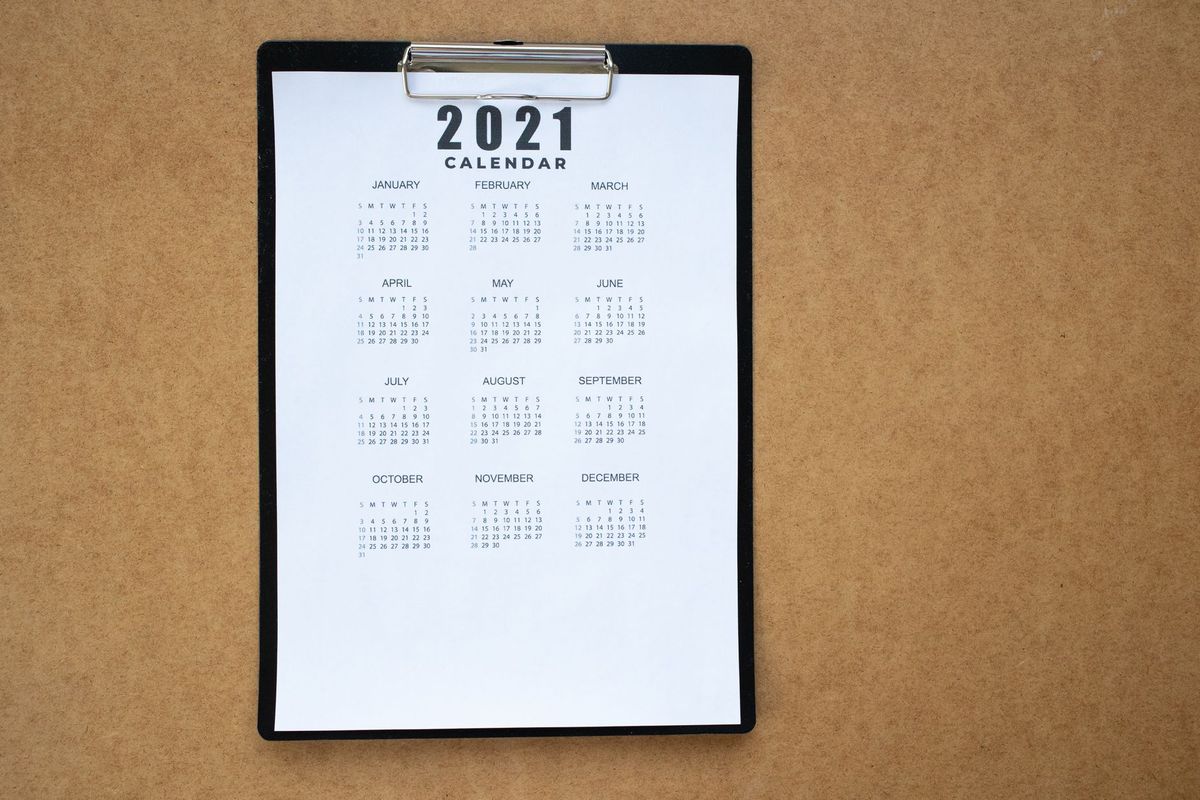
Pick a slot you can defend. Friday afternoon works well because the week is still fresh in your mind; Sunday evening suits people who like to start Monday with a clear desk. Whichever you choose, make it recurring in your calendar and treat it as a meeting with yourself.
Have these to hand:
- your notes app, including any quick-capture inbox
- paper notes, sticky notes and the notebook at the bottom of your bag
- your calendar and task list
- your project index or home page
- a timer
Put your phone face down, or better, out of reach. Close the tabs you are not using. The review is a sorting task, not a research session, and it is easy to lose twenty minutes chasing a link you meant to read last month.
The seven-step checklist
- Empty every inbox. Start where things pile up: the notes app inbox, voice memos, photos of whiteboards, the paper scraps in your pocket. Move everything into one working pile before you sort anything. Filing as you go is slower and you will miss things.
- Give each note a destination. For every item, decide one of four things: delete it, do it now if it takes under two minutes, file it as reference, or turn it into a next action or project. If you cannot decide, write down the question you need answered and park it on a “someday” list. Vague notes are the ones that haunt you.
- Update your project pages. Open each active project note. Add a line about what moved this week, rewrite the next action so it starts with a verb, and note anything you are waiting on. If a project is finished, mark it done and move it out of the active list. If it has not moved in a month, either revive it with a real next step or let it go.
- Refresh your index or home note. This is the page you open first. Keep it short: links to active projects, the areas of your life that need attention, and this week’s priorities. Prune anything stale. An index that runs to three screens is a filing cabinet, not a dashboard.
- Sweep the reference pile. Saved articles, meeting notes, screenshots of things you meant to read. Delete what you will never use and put the rest somewhere you would actually look for it. Be honest here — most saved reading is saved to avoid a decision, not because it is valuable.
- Check your calendar and waiting-for list. Look two weeks ahead for clashes, deadlines and travel. Then scan your waiting-for list and send any chasers you have been putting off. A short, polite nudge on Friday saves a frantic message on Tuesday.
- Choose next week’s three priorities. Not thirty. Three. Write them at the top of your index in plain language, then block time for the most important one. If the week delivers only those three things, it was a good week.
Two habits that make the checklist stick
Do the boring steps first
The satisfying part of a review is planning. The necessary part is emptying inboxes. Do the sorting before the planning, or you will spend the whole session designing a beautiful week around a pile of unfinished admin.
Leave a note for Monday
Finish by writing one sentence to your future self: what you will pick up first, and why. On Monday morning, motivation is scarce and context is everything. That sentence is worth more than a colour-coded plan.
When the week goes sideways
Some weeks will not allow twenty-five minutes. Keep a ten-minute version in reserve:
- empty the notes inbox into one pile
- move anything actionable onto your task list
- write the three priorities for the coming week
That is enough to stop the backlog compounding. Miss a week entirely and nothing breaks. Miss three and you will feel it, so book the next review before you close the laptop.
Start with one review this week
Put a recurring slot in your calendar now, even if it is only twenty minutes. Keep the checklist somewhere you will see it; a note called Weekly Review, pinned to the top of your index, works well. Run it four times before you change anything. You will probably find it takes less time as the habit settles and the inbox stops growing quite so fast.
The aim is not a perfect system. It is a system you can open on a Monday without flinching.
Photo: MART PRODUCTION / Pexels


You Might Also Like
Time blocking turns scattered notes into clear next steps. Learn how to schedule short, repeatable note-processing sessions that fit around real work.
A practical, step-by-step method for backing up, archiving and safely deleting old notes, so your system stays searchable without losing anything you might need again.